%2Ffit-in%2F250x250%2Fusers%2Fc9b48e90-3a0c-4285-b53d-e676dacc6078%2Fimages%2F26481719-60e5-419b-ae22-42faea8acad5.jpg&w=1200&q=100)
%2F%2Fusers%2Fc9b48e90-3a0c-4285-b53d-e676dacc6078%2Fratecard%2Fbef57fcc-70e4-4d72-9521-4b7f6e31f02f.jpg&w=1200&q=75)
Full Day Yakima River Fly Fishing Adventure
If you're looking for a genuine Washington fly fishing experience, the Yakima River delivers everything you'd want in a day on the water. This isn't just another guided trip – it's six solid hours of focused fishing on one of the state's most productive trout streams. Shaw Flyfishing Services keeps it simple: just you, your buddy, and a guide who knows every run, riffle, and holding spot along this legendary stretch of water. Whether you're brand new to the sport or you've been swinging flies for decades, the Yakima has something to teach you.
What to Expect on the Water
Your day starts early, because that's when the fish are most active and the river belongs to serious anglers. This private trip runs a minimum of six hours, giving you plenty of time to work different sections and adapt to whatever the river throws at you. The beauty of having just two guests means your guide can really dial in the experience – if you're struggling with your casting, they'll spend time getting you dialed in. If you're already solid with the basics, they'll push you toward more technical water and advanced presentations. The Yakima flows through diverse terrain, from rocky canyon sections to meandering meadow water, so you'll see how trout behave in different environments. March through October, this river produces fish, but each season brings its own challenges and rewards. Spring means high water and aggressive fish coming out of winter. Summer calls for precise presentations to selective trout. Fall brings spawning colors and some of the year's best fishing.
Flies, Lines, and Presentations
The Yakima demands versatility, and that's exactly what makes it such a great learning river. Your guide will have you working everything from dry flies during evening hatches to nymphs in the deeper runs where big rainbows like to hold. The techniques here aren't fancy – they're proven methods that produce fish day after day. You'll learn to read the water like a local, spotting the subtle current seams and depth changes that hold trout. Fly selection changes with the seasons and conditions, but classics like Elk Hair Caddis, Pheasant Tail nymphs, and local patterns tied specifically for Yakima trout are always in the box. The gear is straightforward – 5 or 6 weight rods that can handle everything from delicate dry fly presentations to getting nymphs down in faster water. Your guide provides all the technical knowledge, but the real education comes from spending hours on the water, feeling how the current affects your drift and learning to spot the subtle takes that mark experienced anglers.
Species You'll Want to Hook
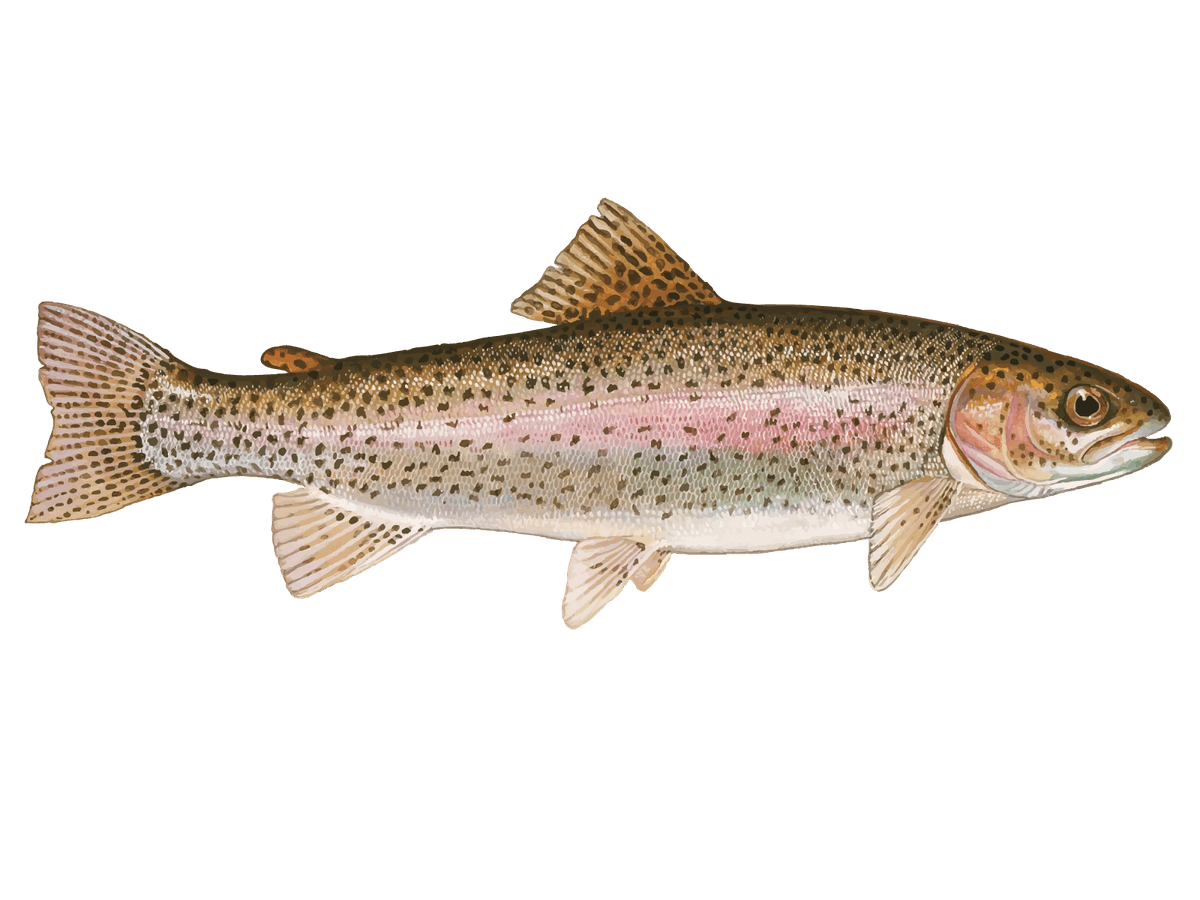
Rainbow trout are the Yakima's bread and butter, and these aren't your average hatchery fish. Wild Yakima rainbows fight with the kind of intensity that comes from living in moving water their entire lives. They'll run straight downstream, jump clear of the water, and test every knot you tied that morning. Most fish run 12 to 16 inches, but don't be surprised when something considerably larger decides to inhale your fly. These rainbows are most active during the cooler parts of the day and become increasingly selective as the season progresses, making them perfect for anglers who want to improve their technical skills.
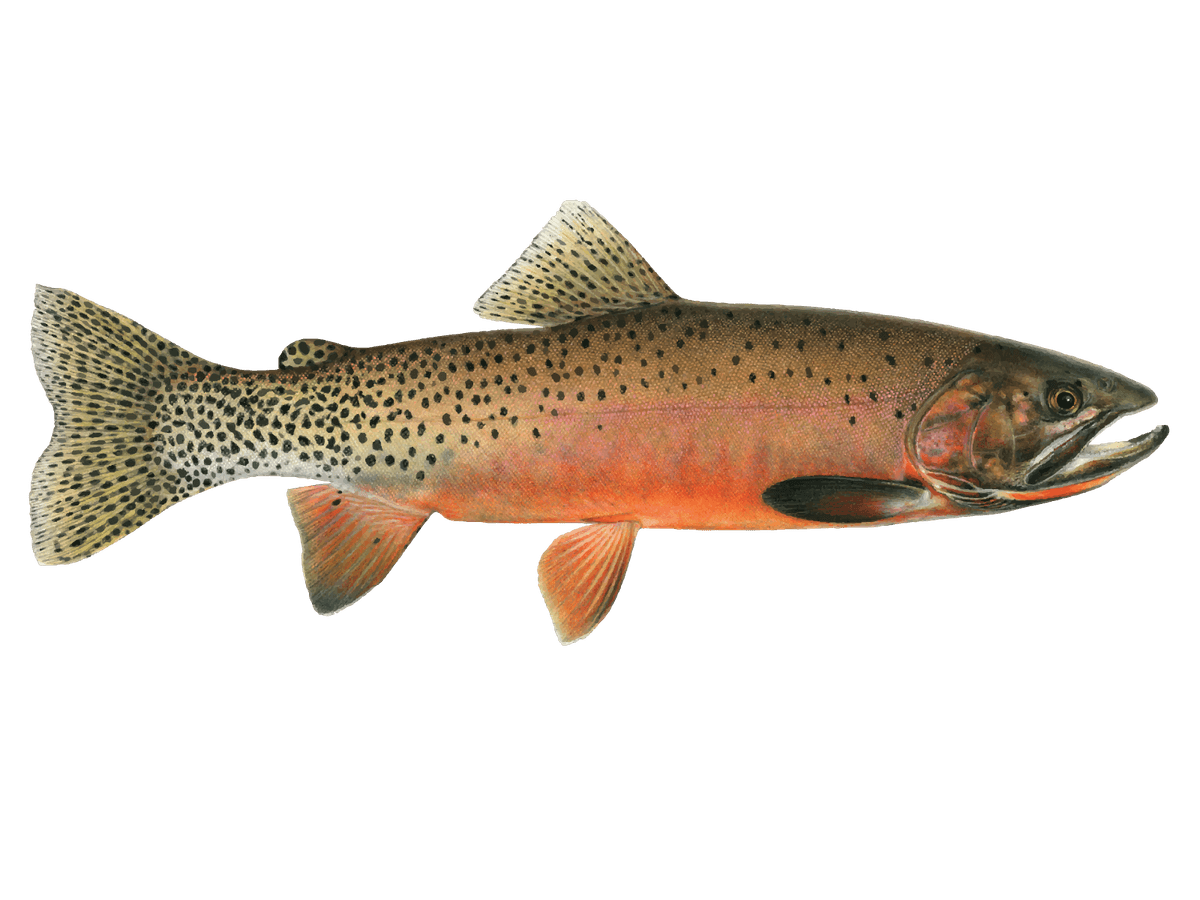
Cutthroat trout are the river's hidden gems, and catching one feels like discovering a secret the Yakima doesn't share with everyone. These native beauties are more opportunistic than rainbows, often willing to chase a well-presented fly even when other fish seem lockjawed. They're distinguished by the distinctive red slash under their jaw and their willingness to fight in the most inconvenient places possible – usually right in the heaviest current or closest to the biggest boulder. Cutthroat populations have been recovering thanks to careful management, and landing one connects you to the Yakima's wild heritage in a way that's hard to describe.
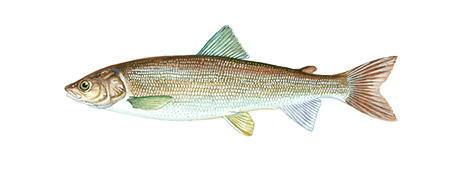
Mountain whitefish might not win any beauty contests, but they're an important part of the Yakima ecosystem and surprisingly fun to catch once you get the hang of it. These native fish prefer deeper, slower water and become more active as temperatures drop in fall. They're excellent indicators of water quality and a healthy population means the river's ecosystem is functioning properly. While they don't jump like trout, mountain whitefish pull hard and steady, and many anglers are surprised by their strength. They also make excellent practice fish for beginners learning to detect subtle takes and set the hook properly.
Time to Book Your Spot
At $500 for up to two anglers, this full day trip offers serious value for a private, guided experience on one of Washington's top-rated trout streams. The Yakima doesn't give up its fish easily, but that's exactly what makes success so rewarding. Your guide's local knowledge, combined with six hours of focused fishing, gives you the best possible shot at connecting with wild trout in beautiful surroundings. Remember to grab your Washington fishing license before the trip, and come ready to practice catch-and-release – this blue ribbon fishery stays productive because anglers respect the resource. Whether you're looking to learn the fundamentals or refine advanced techniques, the Yakima River delivers the kind of authentic fly fishing experience that keeps anglers coming back year after year.
Learn more about the species
Cutthroat Trout
Cutthroats are the Yakima's hidden gems - native beauties with those distinctive red slashes under their jaws. They typically run 10-14 inches here and are incredibly selective feeders, making them a fun challenge for any angler. Look for them in the quieter water - undercut banks, deep pools, and anywhere there's overhead cover. Spring through early fall offers the best action, especially during mayfly and caddis hatches. What sets them apart is their wariness - they spook easily but fight with surprising strength for their size. They're also excellent table fare with sweet, firm flesh. My go-to strategy is approaching low and quiet, then presenting a small dry fly like an Adams or elk hair caddis with a long, delicate leader. Patience pays off with these beauties.
Rainbow Trout
Rainbows are what most folks come here for, and they deliver every time. These beauties average 12-16 inches in the Yakima, with that classic pink stripe and spotted silver body. You'll find them holding in deeper pools during hot summer days, then moving to riffles and runs when temps cool in spring and fall. They love clean, cold water around 55-65°F, which is why this stretch stays productive March through October. What makes them special? They fight hard - expect jumps, runs, and plenty of head shakes. The key here is matching the hatch with your flies. During caddis emergences in late spring, a simple elk hair caddis drifted naturally through the feeding lanes will get you connected fast.
Mountain Whitefish
While chasing trout, you'll likely meet some mountain whitefish - and that's not a bad thing. These bronze-backed natives run 10-14 inches and are actually great fighters once hooked. They hang out in the same cold, clean water as trout but prefer deeper pools and slower currents near the bottom. Winter through early spring is peak season when they're most active and aggressive. Their small, downturned mouths are built for picking insects off the riverbed. Many anglers overlook them, but they're actually solid eating - flaky white meat that smokes beautifully. Here's the trick: use smaller nymphs, size 14-16, and get them down deep with some weight. They'll hammer a well-presented midge or caddis pupa bounced along the bottom.